

GETTING STARTED
First things first – let’s get you connected.
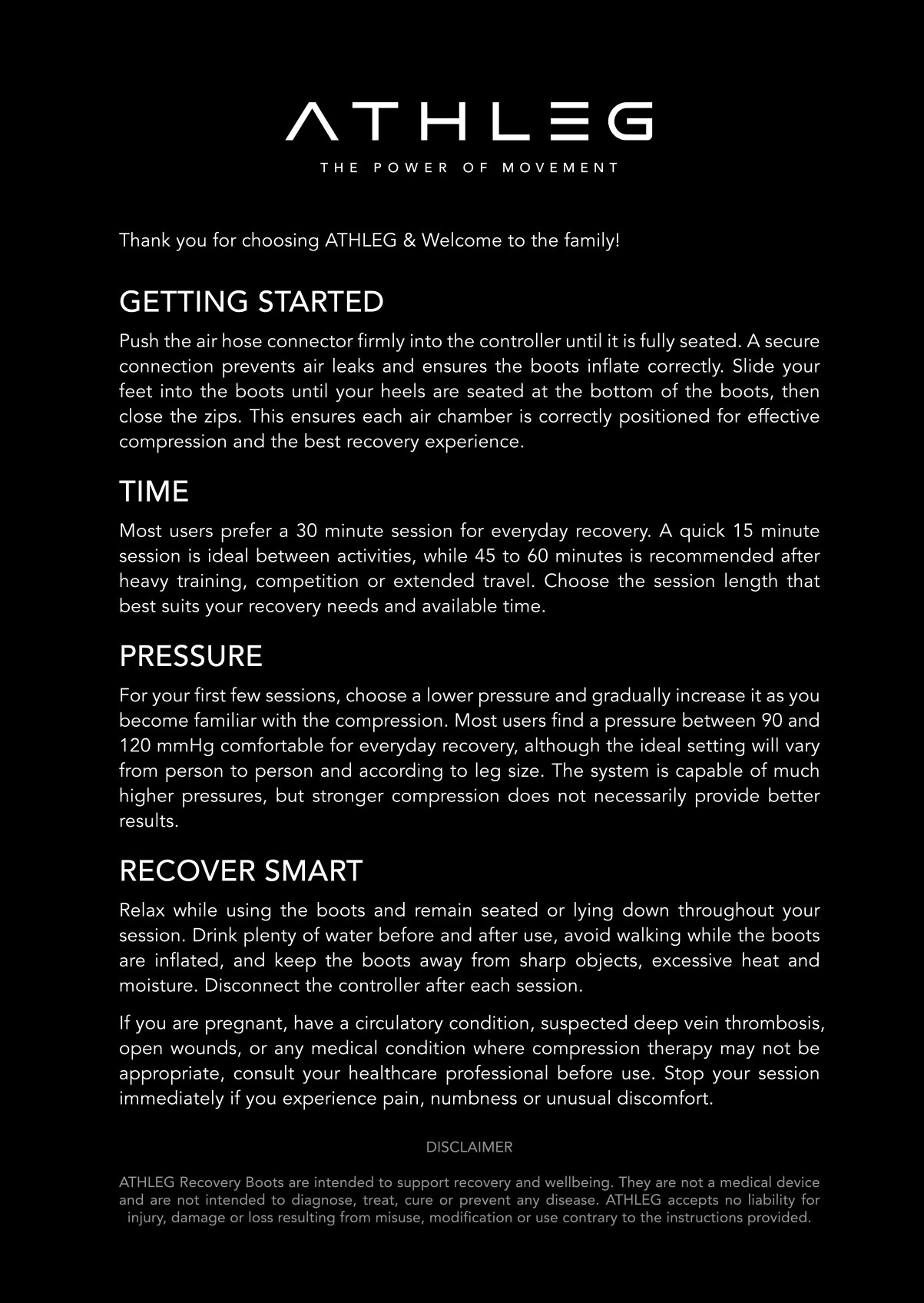
Push the air hose connector firmly into the controller until it is fully seated. A secure connection prevents air leaks and ensures both boots inflate correctly.
Slide your feet all the way into the boots until your heels are firmly seated at the bottom. This bit matters. It ensures all six air chambers are correctly positioned along your legs, giving each area the dedicated compression it was designed for.
Close the zips and get comfortable. ATHLEG Recovery Boots are designed to be used while seated or lying down.
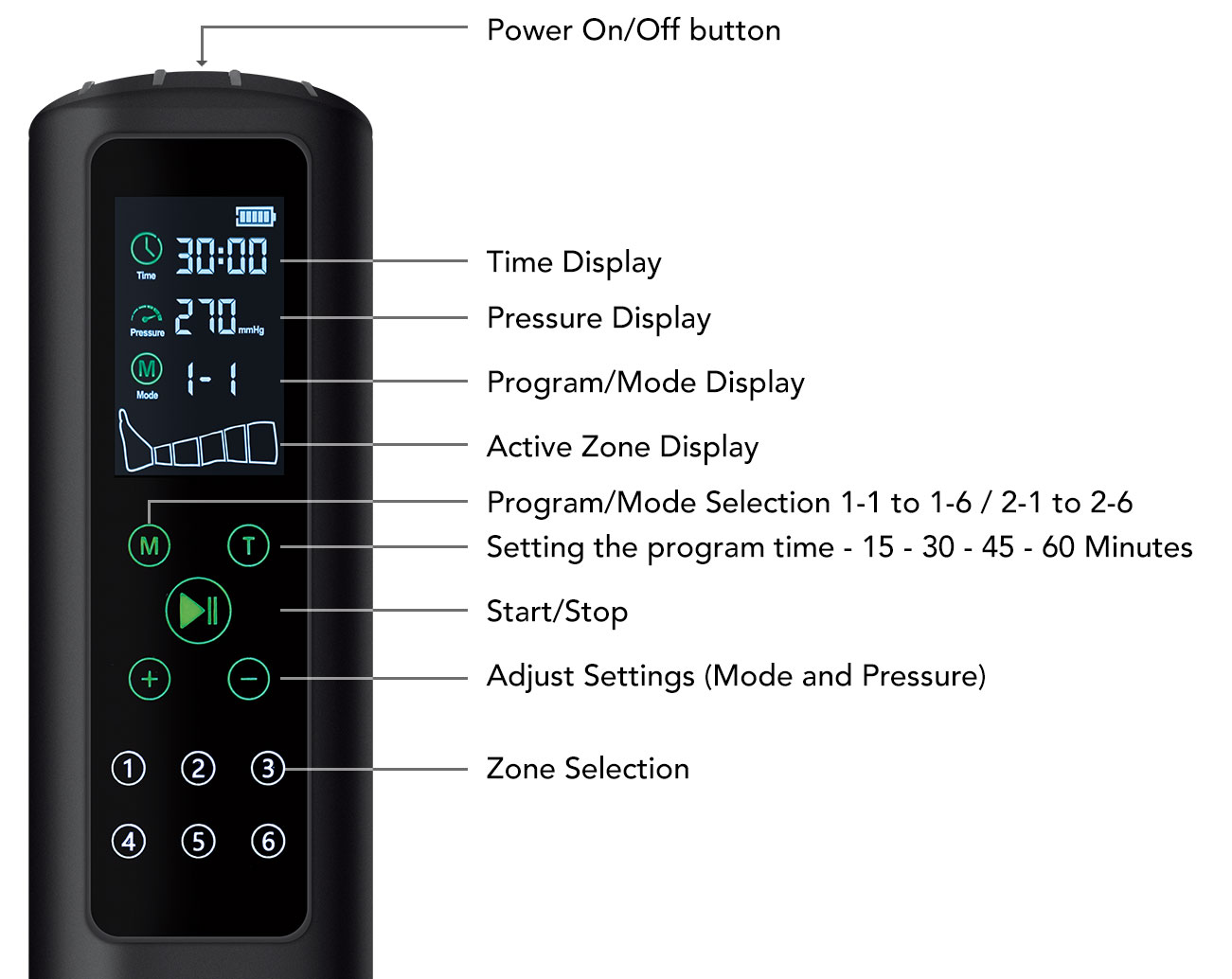
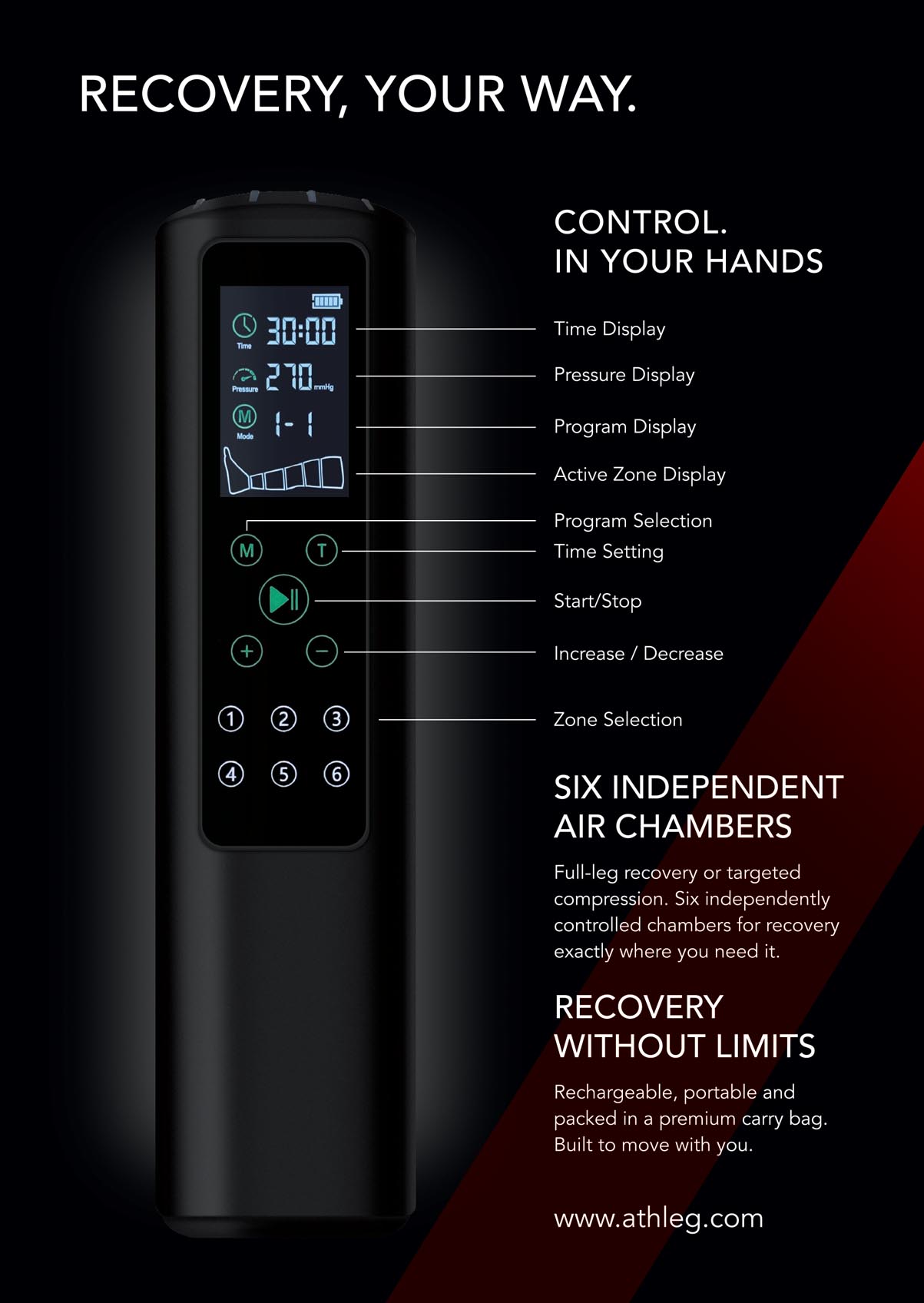
Press and hold the power button on top of the controller until the display comes to life. And you're in.

TIME
Press 'T' to change the timing to 15, 30, 45 or 60 minutes. Most users prefer 30 minutes for everyday recovery. A quick 15-minute session works well when time is short or between activities. After heavier training or during competitions chose 45 or 60 minutes.

PRESSURE
Press the + / - buttons to increase or decrease the pressure. Start lower for your first few sessions and work your way up until you find what feels right. Compression should feel firm and comfortable, never painful. More pressure does not mean better recovery – and while we provide up to 270 mmHg, it's not a high-score challenge.
As a practical starting guide:
- 60–90 mmHg – Gentle compression. A good place to start, particularly if you’re new to compression boots or simply want a lighter session.
- 90–120 mmHg – Moderate compression. A comfortable everyday range for many users and a sensible starting point for general post-training recovery.
- 120–160 mmHg – Firm compression. For experienced users who prefer a stronger compression sensation.
- Above 160 mmHg – High pressure. This should not be considered automatically more effective simply because the boots can produce it.
- Up to 270 mmHg – The system’s maximum capability.
After you choose a pressure, the number will briefly flash to confirm your setting has been saved. The display will then return to 0, having switched to showing the actual pressure currently being produced.
As the boots inflate, the number will gradually increase until it reaches your chosen setting.
Once the controller reaches that pressure, the number will stop increasing. You may still hear and feel air moving into the boots for another few seconds while the pressure inside the boots catches up. This is normal.
Compression boots are designed to feel firm, similar to a professional sports massage. They should never be painful, but they do need enough pressure to be effective.
You can increase or decrease the pressure at any time during your recovery session.

PROGRAMS
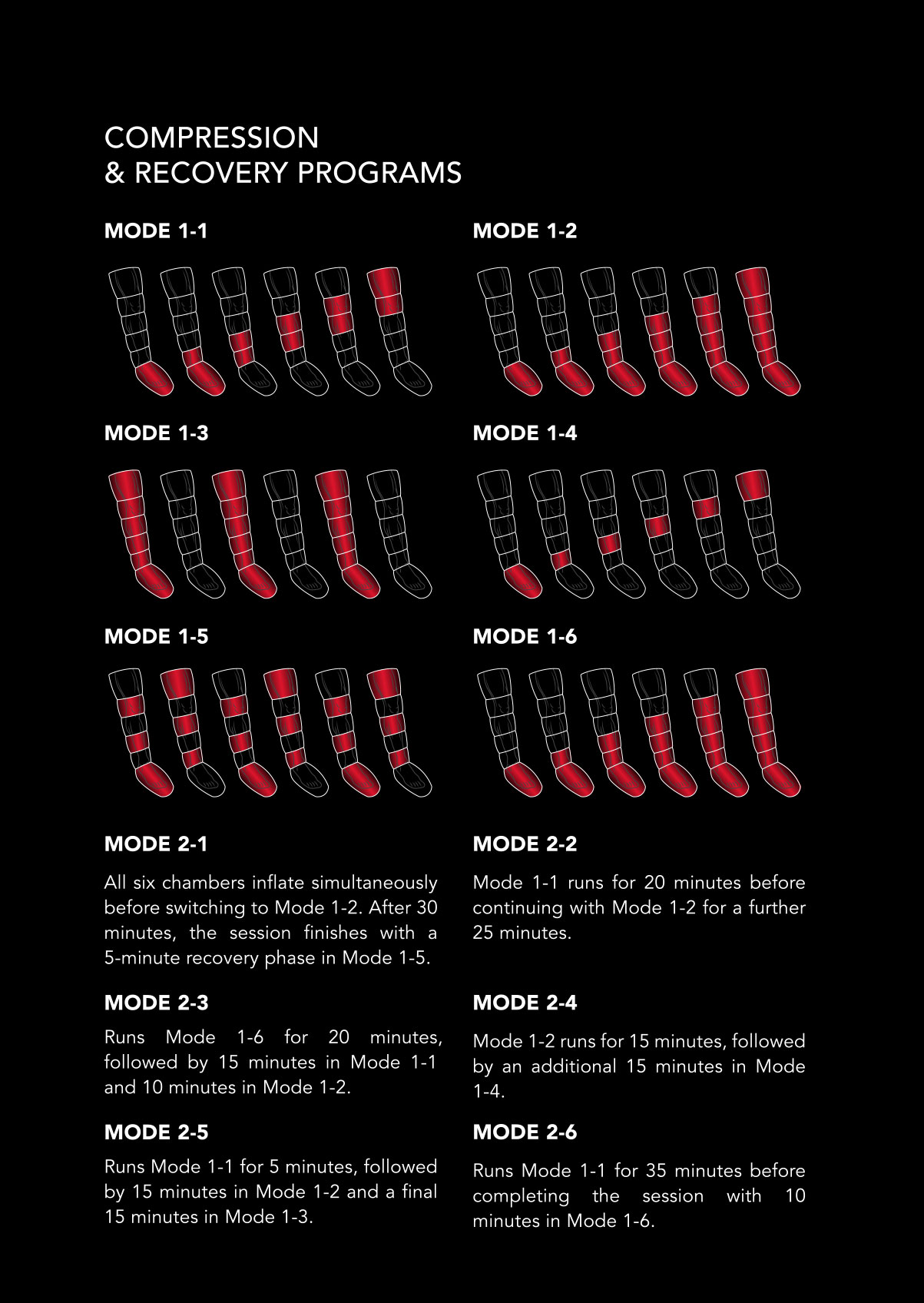
ATHLEG gives you 12 recovery programs & compression modes. Modes 1-1 to 1-6 are individual compression patterns, while Modes 2-1 to 2-6 combine different patterns into complete pre-programmed sessions.
Press M once, then use + / – to select Modes 1-1 to 1-6.
Press M twice, then use + / – to select Modes 2-1 to 2-6.
The technology behind the boots is known as Intermittent Pneumatic Compression (IPC). The six chambers inflate and release in different sequences, creating anything from a travelling compression wave to simultaneous full-leg compression.

MODE 1-1 – THE WAVE
BEST FOR: Everyday recovery and a great place to start.
Compression begins at the foot and progressively works its way up the leg through all six chambers. Each chamber completes a series of short inflation cycles before remaining inflated as the next chamber joins the sequence. Once the sequence reaches the top of the leg, the chambers release and the cycle begins again.
THE SCIENCE BIT: This is a form of peristaltic compression – sequential inflation from the distal end of the limb towards the proximal end, with pressure retained as the sequence progresses. Peristaltic IPC protocols have been used extensively in sports-recovery research.
Think of it as a compression wave travelling from your feet upwards.
MODE 1-2 – THE BUILD
BEST FOR: A strong, progressive full-leg compression session.
The sequence starts at your feet. As it moves upwards, each new chamber joins the chambers already inflated below it until compression has progressively built across the leg.
THE SCIENCE BIT: This is progressive distal-to-proximal compression. Sequential and peristaltic patterns are designed to apply external pressure progressively along the limb. IPC research has examined these patterns for their effects on haemodynamics, tissue-fluid movement and perceived recovery.
MODE 1-3 – FULL LEG PULSE
BEST FOR: When you want strong, simple, whole-leg compression rather than a travelling wave.
All six chambers inflate simultaneously before releasing together.
Instead of pressure travelling through different areas of the leg, the entire leg experiences the compression-and-release cycle at once.
THE SCIENCE BIT: This creates simultaneous intermittent pneumatic compression rather than a sequential pattern. The repeated inflation and deflation applies and removes external pressure across the limb as a complete unit.
Whole leg. Squeeze. Release. Repeat.
MODE 1-4 – THE CLIMB
BEST FOR: A lighter travelling sensation and targeted progression through the leg.
A single compression zone moves from your foot towards your thigh, one chamber at a time. As the next chamber activates, the previous chamber releases.
THE SCIENCE BIT: This is a sequential distal-to-proximal pattern. In the scientific literature, sequential IPC is distinguished from peristaltic IPC: sequential programs inflate and deflate individual chambers as the compression progresses, whereas peristaltic programs progressively retain pressure before releasing together.
Think of it as a travelling compression massage rather than a building full-leg squeeze.
MODE 1-5 – THE ALTERNATOR
BEST FOR: Variety and a completely different compression sensation.
Rather than simply working from the foot upwards, alternating chambers activate different areas of the leg throughout the cycle. This distributes compression across separate zones and creates a distinctly different feeling from the progressive programs.
THE SCIENCE BIT: This is an alternating intermittent compression pattern rather than a conventional distal-to-proximal sequence. While IPC itself has been extensively studied, there isn't good evidence establishing that this particular alternating chamber pattern provides a unique physiological recovery benefit – so we're not going to pretend there is.
Sometimes different simply feels good.
MODE 1-6 – THE QUICK WAVE
BEST FOR: A flowing full-leg sequence when you want continuous movement through the chambers.
Compression progresses from the foot towards the thigh through all six chambers, creating a continuous bottom-to-top sequence.
THE SCIENCE BIT: This again uses the principle of distal-to-proximal sequential compression, but with different chamber timing from the other progressive programs. Different inflation, hold and release timings change how the compression wave feels even when the apparent direction is similar.
Same direction. Different rhythm.
MODES 2-1 TO 2-6
LET ATHLEG CHOOSE
Not interested in becoming a compression-pattern expert? Fair enough.
Modes 2-1 to 2-6 combine the individual patterns into longer programmed sessions, automatically changing the type of compression as your session progresses.
To switch from Modes 1 to 2, press the M button twice, then use + / – to select Modes 2-1 to 2-6.
MODE 2-1 – THE MIX
BEST FOR: An all-round session with plenty of variety.
The session begins with all six chambers inflating simultaneously before moving into Mode 1-2. After 30 minutes, it finishes with a five-minute recovery phase using Mode 1-5. A little bit of everything without touching another button.
MODE 2-2 – THE CLASSIC
BEST FOR: General post-training and everyday recovery.
Mode 1-1 runs for 20 minutes before automatically continuing with Mode 1-2 for another 25 minutes. The combination gives you two different forms of progressive compression across one uninterrupted session.
MODE 2-3 – THE JOURNEY
BEST FOR: A longer session with changing compression rhythms.
Mode 1-6 runs for 20 minutes, followed by 15 minutes of Mode 1-1 and a final 10 minutes of Mode 1-2. Three progressive patterns, one session.
MODE 2-4 – BUILD & CLIMB
BEST FOR: A focused 30-minute recovery session.
Mode 1-2 runs for 15 minutes before automatically changing to Mode 1-4 for another 15 minutes. You begin with progressive building compression and finish with a travelling sequential pattern.
MODE 2-5 – THE VARIETY PACK
BEST FOR: When you want the compression sensation to change throughout your session.
Mode 1-1 runs for five minutes, followed by 15 minutes of Mode 1-2 and a final 15 minutes using the simultaneous full-leg compression of Mode 1-3. Progressive compression first. Big full-leg squeeze to finish.
MODE 2-6 – THE LONG WAVE
BEST FOR: Settling in for a longer, predominantly progressive recovery session.
Mode 1-1 runs for 35 minutes before finishing with 10 minutes of Mode 1-6. Put the boots on, get comfortable and let ATHLEG do the work.

STAY UP2DATE!
Sign up for the occasional bit of ATHLEG goodness. Just the good stuff, no spam, promised!

LEGEND STATUS AWAITS!
Somewhere on your phone is the perfect ATHLEG photo
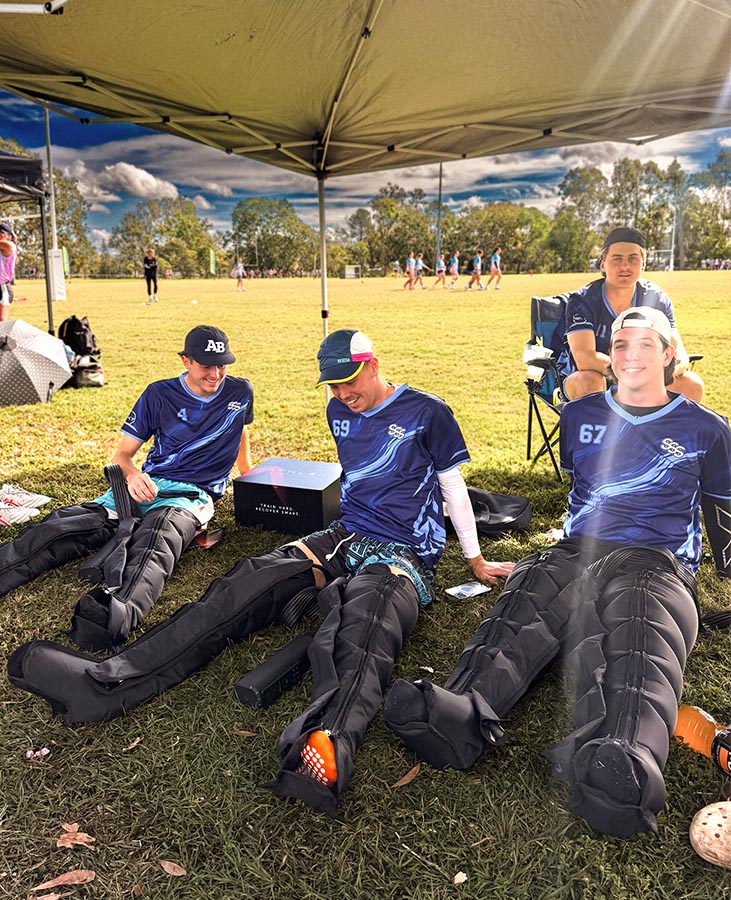
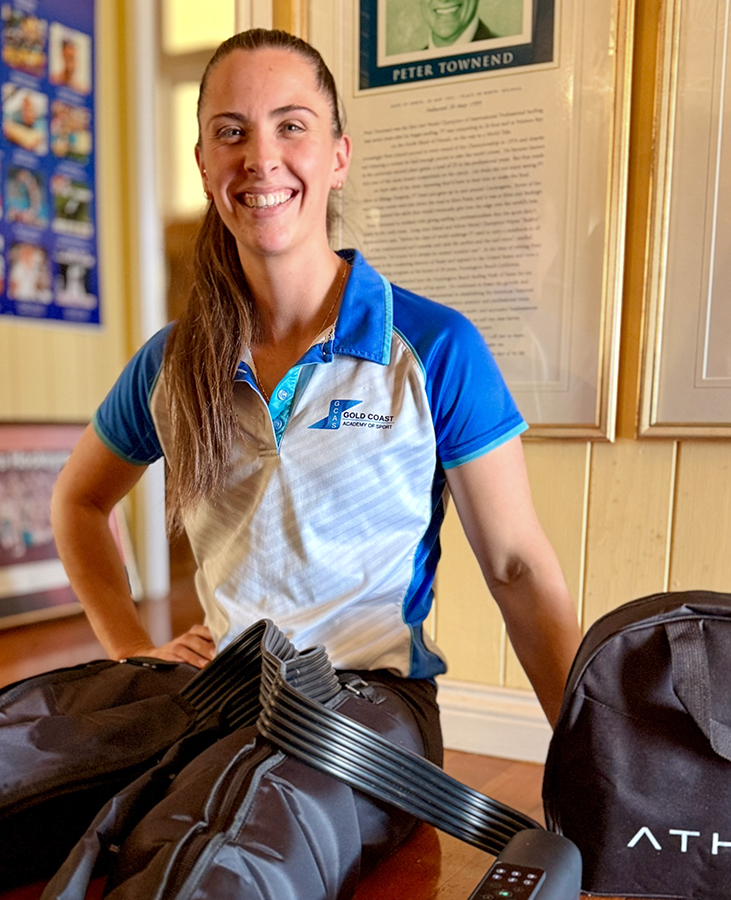
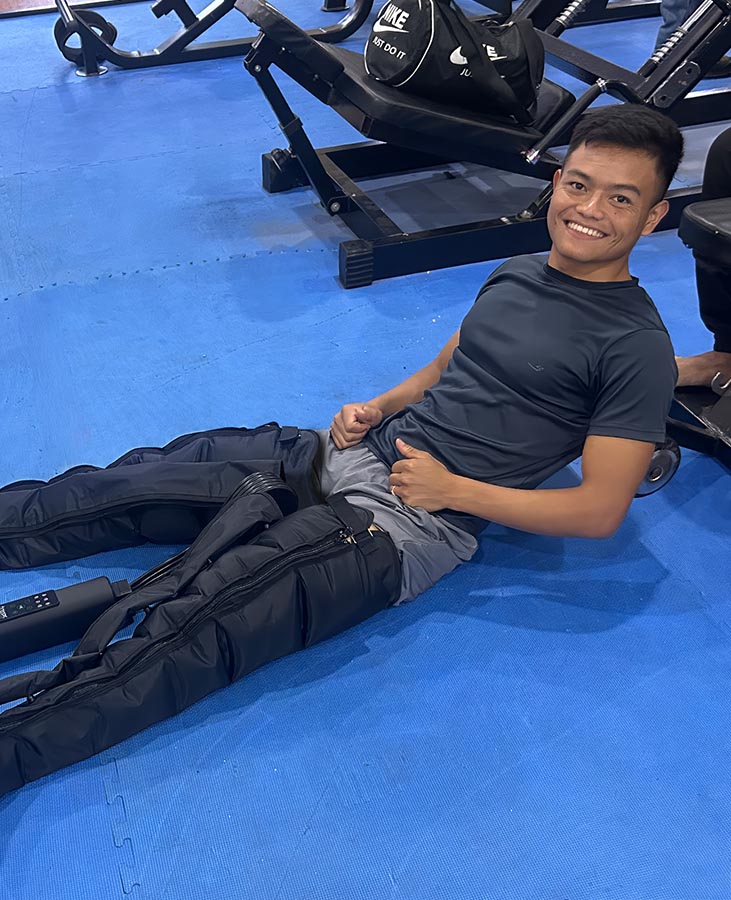
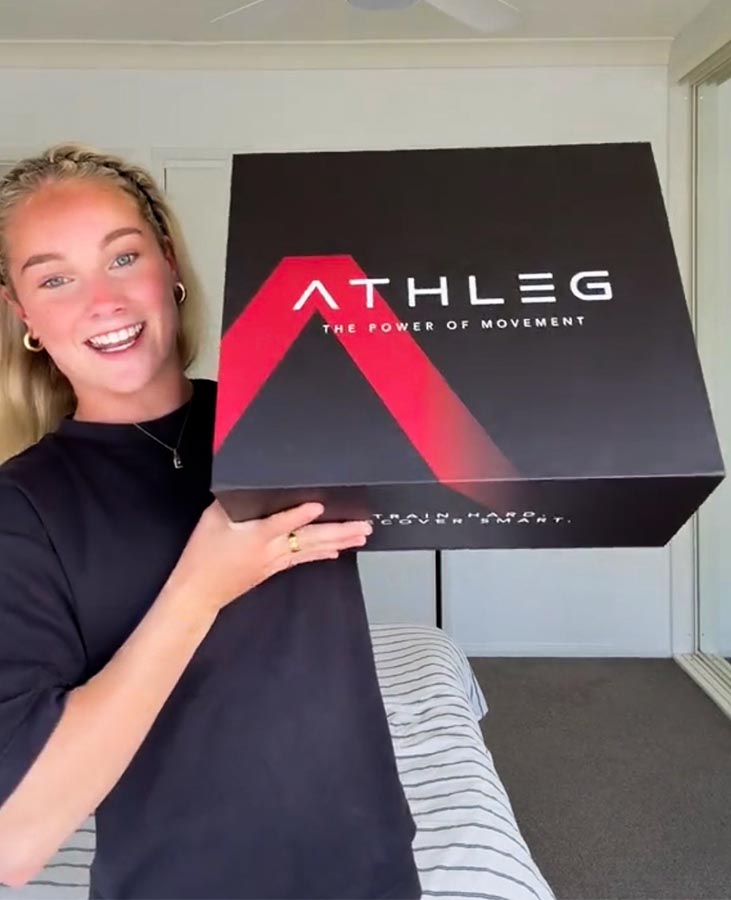
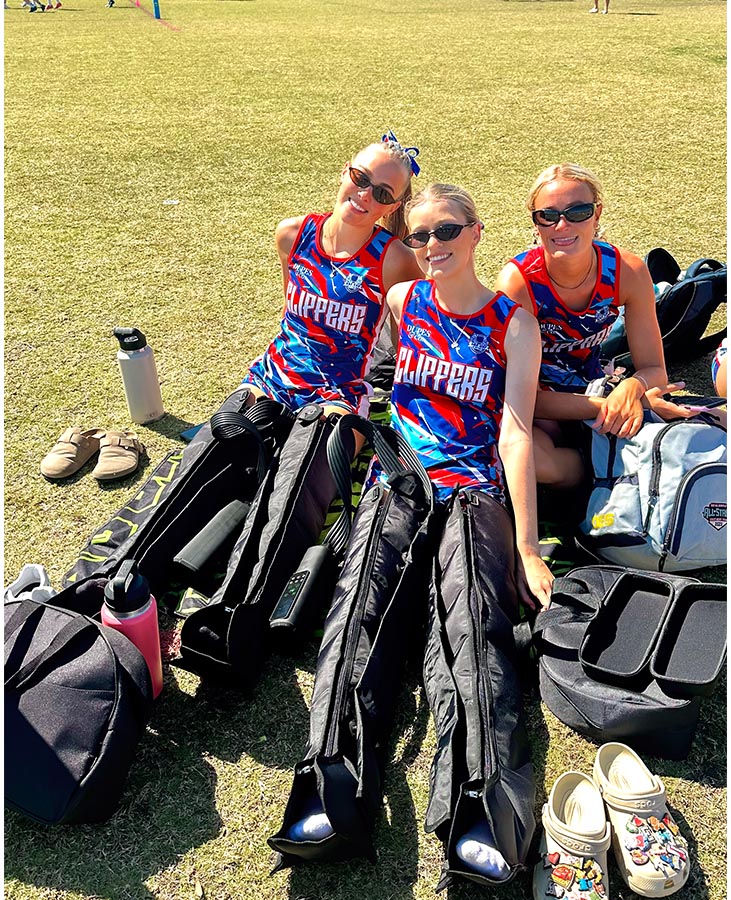
Upload your best shot, whether you’re training, competing, recovering at home, or on the sidelines. Show us your ATHLEG in action and help us build the world’s most impressive collection of legends, training hard, recovering smart, and always ready for what’s next.

© 2026 ATHLEG ™ AUSTRALIA ALL RIGHTS RESERVED
DISCLAIMER: ATHLEG products are designed to support recovery and wellbeing as part of a healthy, active lifestyle. They are not intended to diagnose, treat, cure, or prevent any disease or medical condition. If you have an injury, medical condition, or specific performance concerns, consult a qualified healthcare professional or physiotherapist, and discuss with your coach whether this product is appropriate for your training, recovery, and performance goals.